Last Updated on October 21, 2024 by Editor G
Thailand’s newly announced Destination Thailand Visa (DTV) is designed to attract digital nomads, freelancers, and remote workers. The visa provides long-term residency options for those working for companies or clients outside Thailand, offering up to five years of stay, with 6-month extensions at a time.
Though this sounds amazing, there is a slight catch. You need around US $15K (£11,395 or €13,500) which will be out of reach for a lot of young digital nomads.
Note: At the time of writing, you cannot obtain the DTV from all countries. I just spent time going through the official Thai visa site but end up going around in circles. Saying that, I have heard in some groups that people have obtained one
Why Digital Nomad in Thailand?
Thailand has long been a favorite for digital nomads thanks to its low cost of living, robust internet infrastructure, and scenic diversity ranging from vibrant cities to tranquil beaches. Cities like Chiang Mai (The SEO Capital of the World!), Bangkok, and Phuket offer various coworking spaces, while destinations like Koh Samui provide a peaceful environment to relax after work. At the time of writing, Chiang Mai and Bangkok are #1 & #2 on Nomadlist, with Tokyo #3.
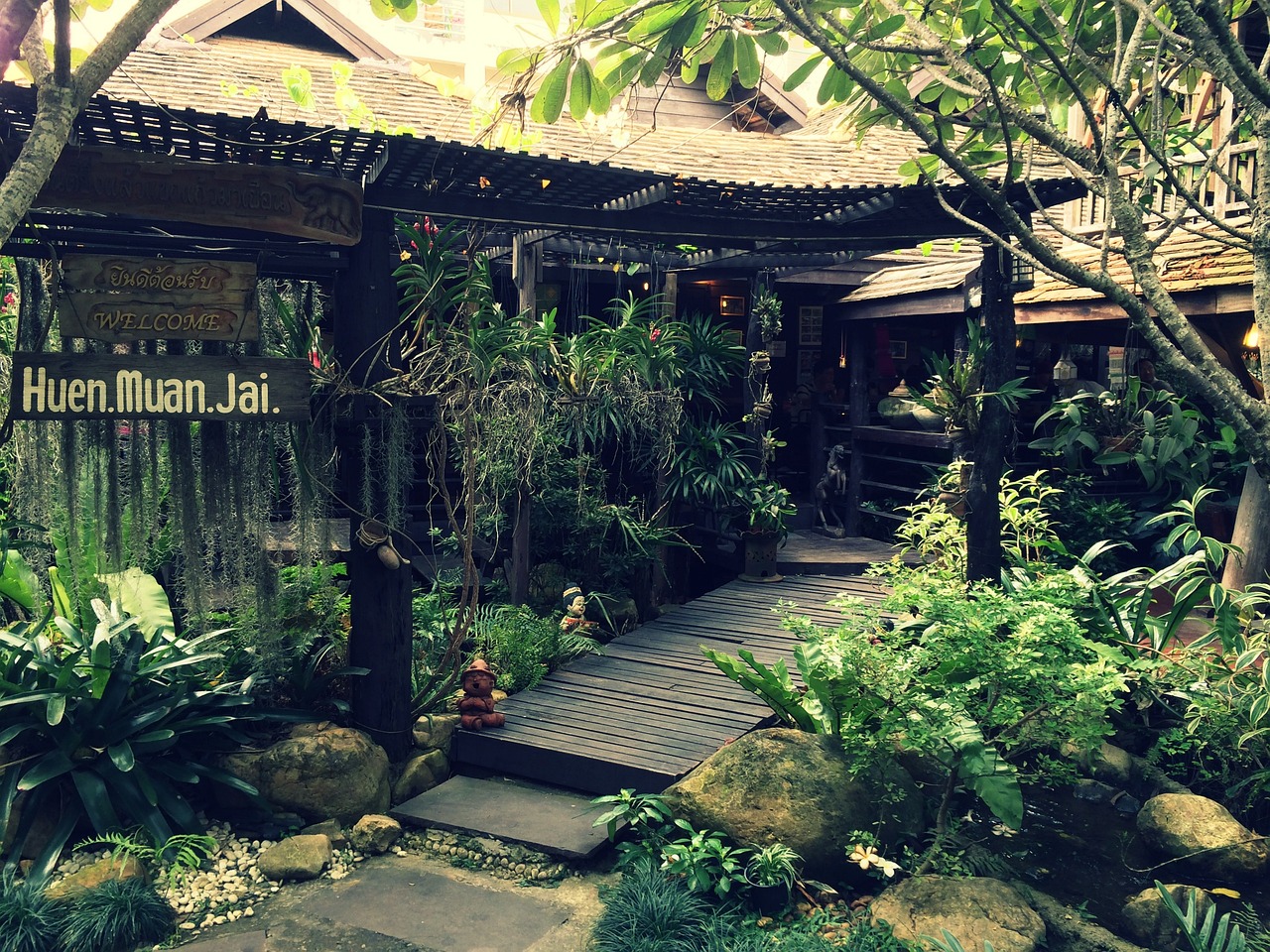
Thailand’s digital nomad community is well-established, and the country provides a balance of professional networking and cultural experiences, including opportunities for outdoor adventures, cooking classes, or learning Muay Thai. Digital nomads in Thailand can experience a unique lifestyle while benefiting from a relatively low cost of living, diverse food, and a range of accommodation options.
Key Features of the DTV
- Duration: 6-month renewable periods, up to a total of 5 years.
- Eligibility: Applicants must be 20+ years old, work for companies or clients outside Thailand, and demonstrate financial self-sufficiency (500,000 THB or approximately $14,882 USD).
- Costs: The visa application fee is set at 10,000 THB (about $270 USD).
- Activities Allowed: Beyond remote work, visa holders can participate in cultural activities, seek medical care, attend seminars, and take local classes.
Visa Requirements
Here are some of the requirements.
- Valid passport
- Proof of financial self-sufficiency
- Proof of remote work (not with a Thai company)
- Criminal background check
- Full health insurance (likely required but yet to be confirmed)
How to Apply
Once the DTV application portal is launched, the process is expected to include the following steps:
- Document Gathering: Compile essential paperwork such as passport copies, photos, proof of income, remote work evidence, and accommodation details.
- Submit Application: Likely through an online platform or in person at a Thai consulate.
- Pay Fees: The visa application fee is 10,000 THB ($270 USD).
- Wait for Approval: Processing is expected to take a few weeks.
Digital Nomad Hotspots in Thailand
Thailand’s appeal as a digital nomad destination spans various locations, each offering its own unique blend of work-life balance. Chiang Mai is a favorite among remote workers, known for its low cost of living, vibrant coworking spaces, and easy access to nature.
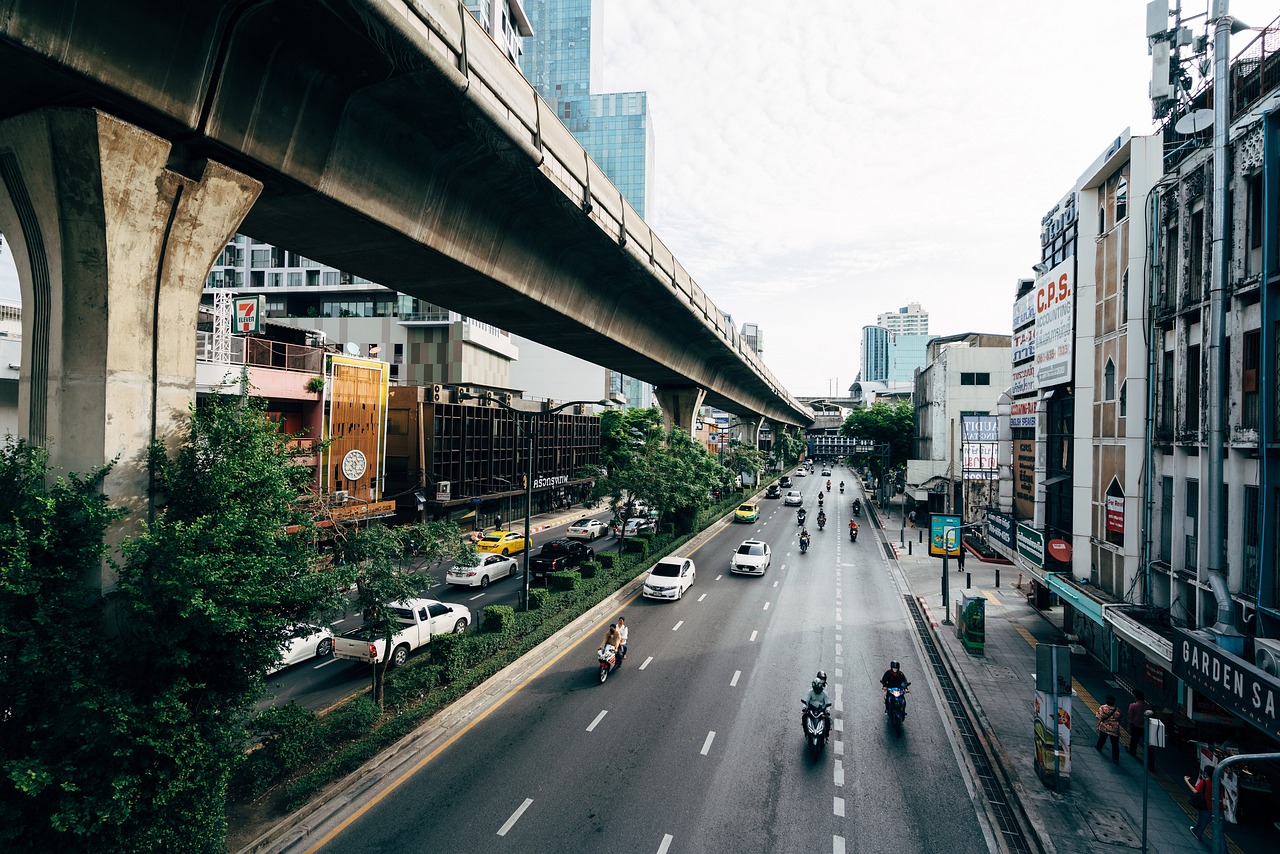
With a calm yet productive environment, it’s ideal for those seeking an affordable, community-driven lifestyle. Bangkok, on the other hand, caters to digital nomads who crave a bustling, cosmopolitan city. Here, you’ll find high-end coworking spaces, international networking opportunities, and top-notch amenities. It’s the perfect spot for those looking to balance professional growth with urban excitement.
For a more laid-back experience, Koh Samui offers a tropical paradise vibe. Its peaceful beaches and slower pace of life make it a great retreat for digital nomads looking to blend relaxation with work, offering an atmosphere conducive to both creativity and relaxation. If you find Koh Samui too commercial, try one of the other 1400+ islands :). I’ve previously worked from Phuket (Bang Tao area), Koh Chang and Koh Samet – as long as you don’t need a coworking space and happy working in a cafe, you are fine.
Benefits of Working in Thailand
Working in Thailand as a digital nomad comes with numerous advantages that enhance both professional and personal well-being. The country’s low cost of living allows remote workers to enjoy a high quality of life without burning through their savings.
Accommodation, food, transportation, and entertainment are all affordable, enabling nomads to maintain a comfortable lifestyle. Additionally, Thailand offers an unparalleled cultural experience. Whether exploring temples, taking part in festivals, or enjoying local cuisine, digital nomads are immersed in a rich, welcoming culture that adds depth to everyday life.
The natural beauty of Thailand—its beaches, mountains, and islands—provides ample opportunities for outdoor activities and relaxation, helping balance work and leisure. Moreover, the country boasts modern infrastructure with fast internet, making it easy for remote workers to stay productive. Access to good healthcare and a range of wellness options ensures that nomads can focus on their work without worrying about their well-being.
Conclusion
Thailand’s Destination Thailand Visa (DTV) represents a significant step toward making the country a hub for remote workers. With attractive benefits and a clear focus on simplicity and accessibility, this visa will appeal to freelancers, entrepreneurs, and digital nomads looking for an affordable yet enriching place to live and work.
DTV FAQs
- How much does the DTV cost? The application fee is 10,000 THB (~$270 USD).
- Who is eligible? Applicants must be 20+ years old, with a minimum income of 500,000 THB (~$13,600 USD), and work for clients outside of Thailand.
- What’s the visa duration? Initial approval is for 6 months, renewable up to 5 years.
With these details in hand, the DTV promises to be a game-changer for anyone looking to base their remote career in Thailand. As soon as further government announcements are made, applying for this visa will likely become a sought-after opportunity for digital nomads globally.

Gareth Evans is a travel writer and entrepreneur living life as a digital nomad. Gareth is currently living and working in Thailand.