Last Updated on March 6, 2025 by Editor G
While wandering the vibrant streets of Nha Trang, a popular coastal city in Vietnam, I found myself immersed in the local food scene. The smell of sizzling seafood, the sight of steaming bowls of pho, and the enticing aroma of fresh bánh mì filled the air. But one question lingered in my mind: Do people eat dogs in Nha Trang?
Like many travelers, I had heard rumors about dog meat being consumed in Vietnam. I wasn’t sure if it was a common dish or something I might unknowingly stumble upon while dining. To satisfy my curiosity (and put my mind at ease), I decided to dig deeper and ask a few Nha Trang expats and locals. My standpoint is people can eat what they want, it’s non of my business in another country, but I really did not want to see dogs in cages.
Do People Eat Dogs in Nha Trang?
The short answer is yes, but it’s rare. While dog meat (thịt chó) is legally consumed in Vietnam, it is not a mainstream dish, nor is it something the average tourist will encounter. In fact, dog meat consumption is declining nationwide, particularly in major cities and tourist destinations like Nha Trang.
Unlike Hanoi, where dog meat is more historically prevalent, Nha Trang’s cuisine is heavily centered around seafood, fresh herbs, and traditional Vietnamese flavors. Dog meat is not commonly served in restaurants catering to tourists, and most locals do not eat it regularly. However, some specialty restaurants do exist, typically located on the outskirts of the city or in local neighborhoods, catering to an older generation or specific groups of people.
If you’re worried about accidentally eating dog meat, rest assured—it is highly unlikely. Dog meat is considered a specialty and is more expensive than chicken, pork, or beef, meaning no one is sneaking it into dishes without a customer’s knowledge. If a restaurant serves dog meat, it will be clearly marked with signs like “Thịt Chó” or “Đặc Sản Cầy Tơ”.
Why Do Some Vietnamese Eat Dog Meat?
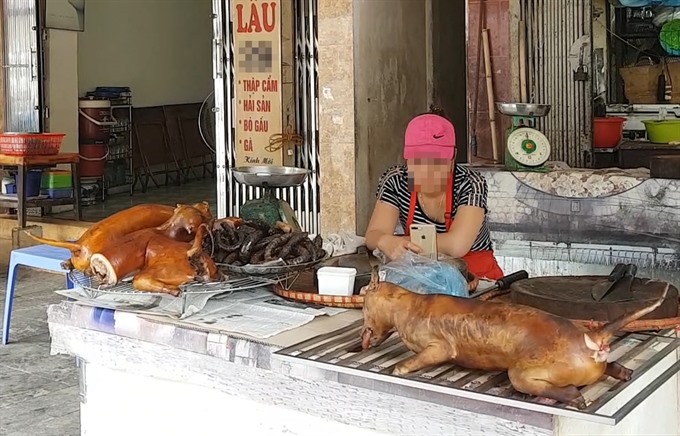
Dog meat consumption in Vietnam is deeply rooted in historical, cultural, and traditional beliefs rather than being an everyday food choice. Here are some of the reasons why some people continue to eat dog meat:
1. Historical Necessity
During times of war, economic hardship, and food scarcity, people in Vietnam consumed whatever protein was available, including dogs. Over time, this necessity became ingrained in certain communities, especially in the northern regions.
2. Cultural Beliefs and Superstition
Some Vietnamese believe that eating dog meat at the end of the lunar month can wash away bad luck and bring prosperity. Others believe it enhances strength and masculinity, which is why it is sometimes consumed at social gatherings or drinking sessions (nhậu).
3. A Social “Drinking Food”
Dog meat is often consumed in social settings, paired with strong alcohol like rice wine or beer. It is seen as a delicacy for special occasions rather than an everyday meal.
Modern Attitudes: Is Dog Meat Consumption Declining?
Yes, dog meat consumption is on the decline in Vietnam. Surveys show that over 88% of Vietnamese people support banning the dog meat trade, and younger generations view dogs more as pets than food.
Several major cities, including Hanoi, have launched public awareness campaigns urging people to stop eating dog meat, citing concerns over Vietnam’s global reputation and health risks. Notably, Hoi An became the first city in Vietnam to ban dog and cat meat in 2021, setting a precedent for other cities to follow.
Many Vietnamese pet owners strongly oppose dog meat consumption, and the shift towards treating dogs as beloved companions rather than food is growing. Animal rights groups like Four Paws and increasing media coverage have also contributed to changing attitudes.
Can Travelers Accidentally Eat Dog Meat in Vietnam?
This is a common concern among tourists, but the chances of unknowingly eating dog meat in Nha Trang are extremely low. Here’s why:
- Dog meat is not served in mainstream restaurants, street food stalls, or tourist-friendly eateries.
- It is expensive and considered a specialty, meaning it’s only found in specific restaurants catering to niche groups.
- Menus will clearly label dog meat with terms like “Thịt Chó” or “Cầy Tơ.” If you avoid places with these signs, you won’t encounter it.
If you want to be extra cautious, you can say “Không ăn thịt chó” (I don’t eat dog meat) when ordering food.
What If Someone Wants to Try Dog Meat?
While I personally did not try dog meat, I did learn that it is typically grilled, stewed, or served with fermented shrimp paste (mắm tôm). Those who eat it claim it has a unique taste, but the ethical concerns and potential health risks (such as rabies and meat of unknown origin) are major deterrents.
For those considering it, it’s important to source it responsibly (though this can be difficult). Additionally, many dogs used in the trade are stolen pets, which raises moral and legal concerns. For these reasons, many locals—even those who have eaten dog meat in the past—are choosing to stop.
Historical Context: Dogs in Vietnamese Society
Historically, dogs in Vietnam have had dual roles: companions and, in some cases, livestock. Unlike in Western cultures, where dogs are exclusively pets, rural communities in Vietnam saw them as both protectors and potential food sources.
However, the modern perception of dogs is shifting. Increasing numbers of Vietnamese people now keep dogs as family pets, and the country is moving towards stronger animal welfare protections. In cities like Nha Trang, you’re more likely to see dogs as beloved companions than as food.
Conclusion: Respecting Cultural Differences
So, do they eat dogs in Nha Trang? Yes, but it’s not common, and it’s unlikely you will encounter it as a traveler.
Through my research and conversations with locals, I learned that dog meat consumption is a complex cultural topic rather than a widespread dietary staple. While it has historical roots, modern Vietnam is shifting away from this practice, especially in cities like Nha Trang where tourism and Western influence play a role.
As travelers, it’s essential to approach cultural differences with an open mind. While we may not agree with all practices, understanding their origins helps us navigate new experiences with respect and awareness. For those visiting Nha Trang, you can enjoy the city’s incredible seafood, pho, and local delicacies without worrying about accidentally eating dog meat.
FAQ: Quick Answers to Common Questions
- Is eating dog meat legal in Vietnam? Yes, though some cities, like Hoi An, have started banning it.
- How can I avoid eating dog meat in Vietnam? Avoid restaurants labeled “Thịt Chó” or “Cầy Tơ” and stick to mainstream eateries.
- Do Vietnamese people eat cats too? It’s much less common, but thịt mèo (cat meat) exists in some regions.
- What is the Vietnamese phrase for “no dog meat”? Say “Không ăn thịt chó” if you want to make it clear you don’t eat dog meat.

Gareth Evans is a travel writer and entrepreneur living life as a digital nomad. Gareth is currently living and working in Thailand.